

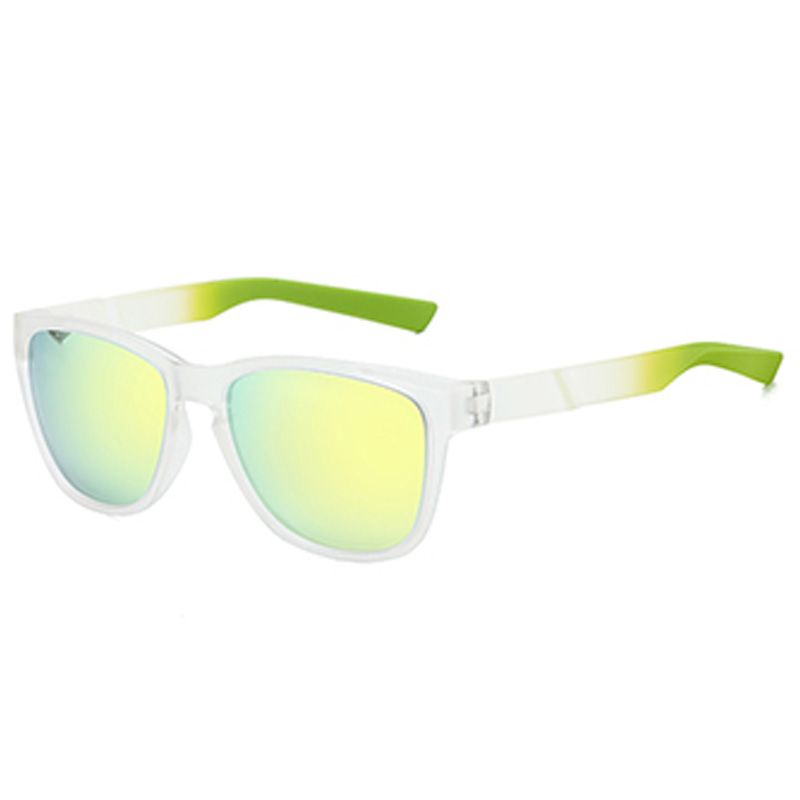
Choosing the right sports Sunglasses with UV protection is not only about style. For athletes, outdoor workers, and active people, the right pair can improve comfort, reduce glare, support visual clarity, and help protect the eyes from harmful ultraviolet rays. Whether you are running, cycling, fishing, hiking, golfing, or training outdoors, understanding how to compare lens types, frame materials, fit, and protection levels can help you make a better purchase decision.
This guide explains the key features, benefits, lens specifications, frame options, and buying factors that matter when selecting UV protection sports sunglasses. It is written for general industry use and does not include any brand or company recommendations. Instead, it focuses on practical information that can be used for a blog post, category page, product guide, or SEO-friendly industry content page.
Sports sunglasses with UV protection are eyewear products designed for active outdoor use and built to help reduce exposure to ultraviolet radiation from the sun. UV protection is important because the eyes can be damaged by long-term exposure to UVA and UVB rays. In addition to UV filtering, sports sunglasses are usually made with features that improve performance during movement, such as lightweight frames, impact-resistant lenses, secure grip, and wraparound coverage.
Unlike regular Fashion Sunglasses, sports eyewear is engineered for function. The design often focuses on stability, comfort, optical clarity, and protection from wind, dust, debris, and bright sunlight. Many styles are also suitable for different sports environments, including road cycling, trail running, golf, tennis, skiing, water sports, and general outdoor fitness.
UV radiation is invisible light energy from the sun. Over time, exposure can contribute to eye strain and increase the risk of eye problems. Quality sports sunglasses with UV protection help block harmful rays and reduce the amount of UV light reaching the eyes.
The main UV types relevant to sunglasses are:
When people search for UV Protection Sunglasses for sports, they often want a product that combines sun safety with performance features. The most reliable options offer full UV protection and are designed to stay comfortable during high movement and changing outdoor conditions.
Choosing the right pair offers several benefits beyond basic sun blocking. Here are the most important advantages:
For people who spend a lot of time outdoors, UV protective sports sunglasses can be an essential part of daily gear.
To select the right pair, you should evaluate UV rating, lens material, lens tint, frame design, fit, coverage, and sport-specific features. Below are the most important criteria to compare.
The most important factor is full UV protection. Look for sunglasses labeled 100% UV protection or UV400 Protection. UV400 means the lenses are designed to block ultraviolet rays up to 400 nanometers, covering UVA and UVB wavelengths.
When buying sports sunglasses with UV protection, do not assume darker lenses automatically mean better protection. Lens darkness and UV protection are not the same thing. Always verify the UV rating.
Sports eyewear should be durable enough to handle active use. Common lens materials include:
For active outdoor use, polycarbonate sports sunglasses with UV protection are among the most practical choices because they combine protection, weight savings, and durability.
Lens tint affects visibility, brightness control, and contrast. The best tint depends on the sport and lighting conditions.
| Lens Tint | Best For | Main Benefit |
|---|---|---|
| Gray | General outdoor sports, bright sunlight | Reduces brightness without changing natural colors much |
| Brown / Amber | Running, cycling, hiking, variable light | Improves contrast and depth perception |
| Yellow / Orange | Low-light conditions, fog, overcast weather | Enhances contrast in poor visibility |
| Green | All-around use, bright and moderate conditions | Balanced color perception and glare reduction |
| Blue / Mirrored | Snow, water, strong glare | Helps reduce harsh light in reflective environments |
| Clear | Night sports, indoor/outdoor transition, wind protection | Protects eyes without darkening vision |
Many athletes choose sports sunglasses with UV protection based on their main activity and the typical weather where they train. A golfer may prefer a contrast-enhancing tint, while a cyclist may want balanced brightness control and strong wraparound coverage.
Polarized lenses reduce glare from reflective surfaces such as water, roads, snow, and glass. This can make outdoor vision more comfortable and improve clarity in bright conditions.
However, polarization is not required for all sports. In some cases, athletes may prefer non-polarized lenses because they better preserve visibility of digital screens, LCD dashboards, or certain surface textures. For example, some cyclists and drivers prefer to avoid visual distortion caused by polarization in specific situations.
The right choice depends on your sport and environment. If glare is a major problem, Polarized Sports Sunglasses with UV protection can be very effective.
A wraparound design helps block sunlight from the sides and increases overall protection. This style is especially useful for fast-moving sports where wind, dust, and side glare are common.
Benefits of Wraparound Sports Sunglasses include:
If you are buying sports sunglasses for outdoor UV protection, a wraparound frame is often a smart choice.
Frame material affects weight, flexibility, durability, and comfort. Sports frames are usually made from lightweight materials designed to stay stable during intense activity.
| Frame Material | Features | Best Use |
|---|---|---|
| TR-90 / Nylon Blend | Lightweight, flexible, and durable | Running, cycling, general sports |
| Polycarbonate | Strong, light, and impact-resistant | High-movement sports, outdoor training |
| Grilamid | Heat resistant and flexible | Intense outdoor use, performance eyewear |
| Metal Alloy | Stylish and sturdy, but may be heavier | Casual athletic wear, mixed-use eyewear |
| Rubberized Composite | Improved grip and comfort | Sweaty conditions, active sports |
A good frame should feel secure but not tight. Lightweight construction is especially important for long training sessions and endurance sports.
A poor fit can cause slipping, pressure points, or distractions. The best sports sunglasses with UV protection should fit securely without constantly needing adjustment.
Important fit factors include:
Adjustable nose pads and rubber temple tips can improve stability and help create a custom-feeling fit.
Ventilation helps reduce fogging, especially during running, cycling, climbing, or humid conditions. If lenses fog up easily, vision can become unsafe and uncomfortable.
Look for:
Good ventilation is an important feature in high-performance UV protection sports eyewear.
Modern sports sunglasses may include coatings that improve performance in different conditions. Common options include:
These features can make sports sunglasses with UV protection more practical in real-world use, especially for athletes training in changing conditions.
Different sports require different eyewear priorities. The best pair for one activity may not be ideal for another.
| Sport | Important Features | Why It Matters |
|---|---|---|
| Running | Light weight, bounce-free fit, ventilation | Comfort and stability during repeated movement |
| Cycling | Wraparound frame, wind protection, secure grip | Blocks wind, debris, and side glare |
| Fishing | Polarization, water glare reduction, UV protection | Improves visibility on reflective water surfaces |
| Golf | Contrast tint, clear optics, all-day comfort | Supports ball tracking and course visibility |
| Hiking | UV protection, comfort, scratch resistance | Long outdoor exposure and changing terrain |
| Water Sports | Polarized lenses, floating or secure fit, hydrophobic coating | Handles glare, spray, and moisture |
| Skiing / Snow Sports | High glare protection, contrast, fog resistance | Bright reflection from snow can be intense |
When comparing sports sunglasses with UV protection, product specifications can help you understand the level of performance. Below is a practical specification table.
| Specification | Recommended Range / Feature | What It Means |
|---|---|---|
| UV Protection | 100% UV or UV400 | Blocks UVA and UVB rays |
| Lens Material | Polycarbonate or Trivex | Lightweight and impact-resistant |
| Frame Weight | Lightweight | Improves comfort for long wear |
| Coverage | Wraparound or semi-wrap | Improves side protection and glare blocking |
| Lens Tint | Gray, brown, amber, green, or sport-specific tint | Controls brightness and contrast |
| Polarization | Optional depending on sport | Reduces reflected glare |
| Ventilation | Frame vents or fog-resistant design | Helps reduce lens fogging |
| Grip Features | Rubber nose pads, temple grips | Improves secure fit during motion |
| Coatings | Anti-scratch, anti-fog, hydrophobic | Enhances lens durability and clarity |
| Compatibility | Helmet-friendly or prescription-ready | Supports different user needs |
The color of the lens is not only a style choice. It changes how much light enters the eyes and how colors are perceived. For example, some tints improve contrast while others reduce brightness more effectively.
A few general guidelines:
For many users, the ideal sports sunglasses with UV protection will combine a tint suited to the activity with reliable UV blocking.
Many buyers focus on appearance and overlook technical features. To make a better choice, avoid these common mistakes:
A strong pair of UV protection sports sunglasses usually has the following qualities:
These features together help create eyewear that performs well outdoors while helping protect the eyes from sun exposure.
Use this simple checklist when evaluating sports sunglasses:
| Checklist Item | Yes / No |
|---|---|
| Does it offer 100% UV or UV400 protection? | |
| Is the lens material impact-resistant? | |
| Does the frame fit securely during movement? | |
| Is the design suitable for your sport? | |
| Does it reduce glare in your environment? | |
| Does it have anti-fog or ventilation features? | |
| Is the lens tint appropriate for the lighting conditions? | |
| Will it stay comfortable for long periods? |
In summary, sports sunglasses with UV protection are designed to support outdoor performance, improve comfort, and help protect the eyes from harmful sun exposure. The best choices combine full UV protection, impact-resistant lenses, a stable and lightweight frame, sport-appropriate tint, and strong coverage.
When comparing UV protection sunglasses for sports, focus on practical features rather than appearance alone. Check the lens material, frame fit, ventilation, polarization, and coating options. Also consider your main activity, lighting conditions, and weather environment. These factors will help you choose eyewear that performs well and provides reliable eye protection.
Whether you need eyewear for running, cycling, fishing, hiking, golf, or general outdoor use, the right pair of sports sunglasses with UV protection can make a noticeable difference in comfort, safety, and visual performance.
Yes. If you wear sunglasses outdoors, UV protection is strongly recommended. Sports sunglasses with UV protection help reduce harmful sun exposure while supporting vision during activity.
In general, UV400 means the lenses are designed to block ultraviolet rays up to 400 nanometers, which covers UVA and UVB protection. Products labeled 100% UV protection are also intended to block these harmful rays.
Polarized lenses are helpful when glare from water, roads, or snow is a problem. However, not every sport requires polarization. The best choice depends on the activity and environment.
Gray is a versatile choice for bright sunlight, while brown or amber is often preferred for contrast. Yellow can be useful in low light, and mirrored lenses are helpful in highly reflective environments.
Lightweight and flexible materials such as TR-90, nylon blends, Grilamid, and polycarbonate are commonly used for sports sunglasses because they improve comfort and durability.
Keyword focus: sports sunglasses with UV protection, UV protection sports sunglasses, UV protection sunglasses for sports, polarized sports sunglasses with UV protection, outdoor UV protection eyewear, sports eyewear UV protection.
```
This website uses cookies to ensure you get the best experience on our website.



 Phone
Comment
(0)