

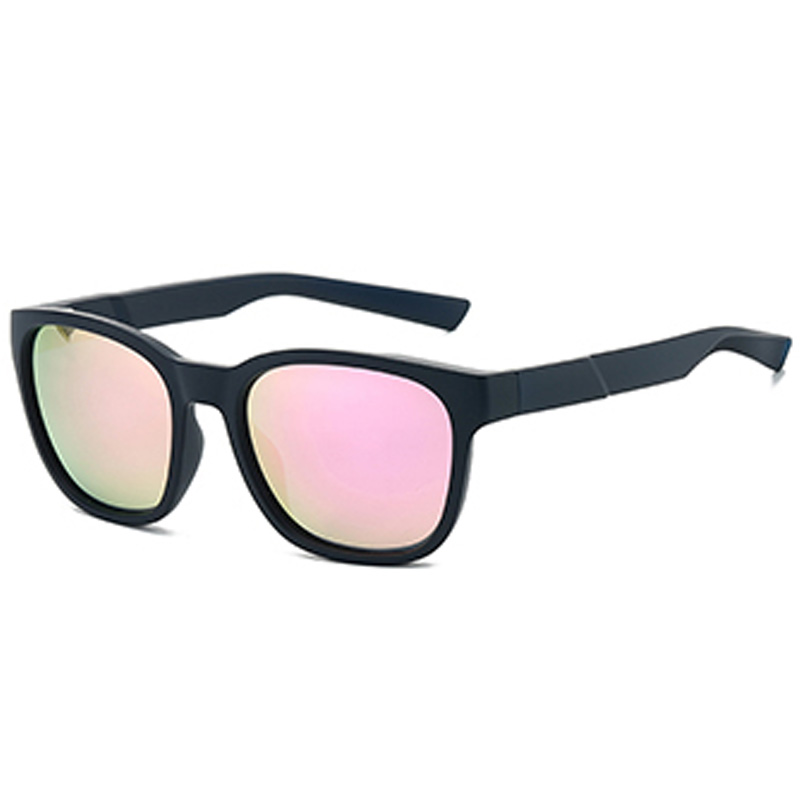
Choosing the right sports Sunglasses for overcast conditions is not just about style.
When the sky is cloudy, light behaves differently: glare can still be intense, contrast can drop, and visibility can change quickly.
That means athletes, outdoor workers, cyclists, runners, hikers, and weekend sports enthusiasts all need eyewear that improves clarity rather than simply darkening the view.
The best sports sunglasses for cloudy weather help reduce eye strain, improve depth perception, and maintain comfort in changing light.
This guide explains what to look for in overcast weather sports sunglasses, which lens features matter most, how lens colors affect visibility, which frame designs improve performance, and what specifications to compare before buying.
The information below is general, industry-focused, and suitable for use in a blog, category page, or product education section.
It contains no brand or company recommendations, only practical buying criteria and SEO-friendly reference content.
Many people assume sunglasses are only necessary in bright sunshine.
In reality, cloudy day sports sunglasses can be just as important.
Overcast skies often create diffuse light, which can reduce shadows and flatten visual contrast.
This makes terrain details harder to read, especially during running, cycling, skiing, trail sports, paddling, and field games.
Another issue is glare.
Even when the sun is hidden behind clouds, reflective surfaces such as wet pavement, water, snow, glass, and polished ground can still cause uncomfortable brightness.
A well-chosen pair of sports sunglasses for low light conditions can manage glare while preserving enough brightness for safe navigation.
In addition, cloud cover can change quickly.
A morning jog under thick clouds may become a brighter midday session, then shift again when clouds open or close.
That is why athletes often prefer lenses designed for variable light instead of overly dark lenses made only for full sun.
Sports sunglasses for overcast conditions differ from standard dark sunglasses in several important ways:
The goal is not simply to block light.
The goal is to improve visual performance in a cloudy environment while protecting the eyes from wind, debris, and UV exposure.
Wearing the right sports sunglasses for overcast conditions offers several performance and comfort advantages.
| Benefit | Why It Matters | Best For |
|---|---|---|
| Improved contrast | Helps the eyes distinguish terrain, edges, and obstacles in flat lighting | Running, cycling, trail sports, field sports |
| Reduced glare | Softens reflected light from roads, water, snow, and wet surfaces | Cycling, fishing, water sports, driving between activities |
| Less eye strain | Supports comfort during long sessions in shifting light | Endurance sports, hiking, outdoor work |
| Wind and debris protection | Creates a barrier against dust, insects, and airborne particles | Road cycling, trail running, racquet sports |
| UV protection | Helps shield the eyes from harmful ultraviolet rays even on cloudy days | All outdoor activities |
| Better focus | Can improve visual confidence and concentration | Competitive and recreational sports |
Lens tint is one of the most important factors when selecting sports sunglasses for overcast conditions.
The ideal tint depends on the amount of available light, the type of sport, and whether the environment includes reflective surfaces.
In general, you want a lens that brightens visual perception slightly or preserves brightness while increasing contrast.
| Lens Tint | Visual Effect | Typical Use in Overcast Conditions |
|---|---|---|
| Yellow | Enhances contrast and can make surroundings appear brighter | Low-light sports, early morning, dense cloud cover |
| Amber | Improves depth perception and contrast in flat light | Running, cycling, hiking, field sports |
| Rose / Rose copper | Balances contrast and brightness with a natural visual tone | Variable overcast weather, mixed light conditions |
| Brown | Enhances contrast while reducing glare | Outdoor sports with wet or reflective surfaces |
| Light gray | Preserves natural color perception with moderate light reduction | Cloudy days that may brighten later |
| Photochromic | Adapts to changing light levels automatically | Variable weather and all-day outdoor activities |
For many users, amber sports sunglasses for cloudy weather are a strong choice because they balance contrast and visibility.
Yellow lenses are often associated with low-light use, but they may feel too bright or artificial for some sports.
Gray lenses are excellent for natural color accuracy, but if the sky is very dim, they may not provide enough visual enhancement.
Photochromic options are especially useful for athletes who move between shaded and open areas.
One of the most important technical terms when choosing sports sunglasses for overcast conditions is Visible Light Transmission, often abbreviated as VLT.
VLT refers to the percentage of visible light that passes through the lens.
Higher VLT means more light enters the eye; lower VLT means the lens is darker.
For overcast weather, higher VLT values are usually better because they let in more available light.
However, the lens should still reduce harsh glare and support contrast.
The right VLT depends on the sport and the intensity of the cloud cover.
| VLT Range | Light Level | Best Use Case |
|---|---|---|
| 0%–19% | Very dark | Bright sun, not ideal for overcast conditions |
| 20%–39% | Moderately dark | Mixed light, partly cloudy weather |
| 40%–69% | Light to medium tint | Overcast, cloudy, variable light |
| 70%+ | Very light tint or clear lens | Heavy cloud cover, dusk, night sports with low-risk visibility needs |
In many cases, sports sunglasses for low light conditions fall within the 40% to 70% VLT range.
This range gives enough brightness for cloudy weather while still improving visual contrast and reducing the visual fatigue caused by wind and airborne particles.
Lens material affects clarity, durability, weight, and safety.
For active use, the best sports sunglasses for overcast conditions usually feature impact-resistant lenses that are lightweight enough for long wear.
| Lens Material | Main Advantage | Common Use |
|---|---|---|
| Polycarbonate | Lightweight, impact-resistant, widely used in sports eyewear | Running, cycling, general outdoor sports |
| Trivex | Excellent optical clarity with strong impact resistance | High-performance sports eyewear |
| Glass | Very clear optics and scratch resistance | Less common in sports due to higher weight and lower impact suitability |
| Acrylic / CR-39 type plastics | Can offer decent optics at lower cost | Casual eyewear, not always ideal for intense sports |
For most users, polycarbonate and Trivex are the most practical choices.
These materials are commonly used in Performance Sports Sunglasses for cloudy weather because they combine safety, comfort, and clarity.
If impact resistance is a priority, always verify that the lens construction is intended for athletic or protective use.
The frame is just as important as the lens.
A poorly designed frame can slip, bounce, fog, or allow wind to enter from the sides.
When selecting sports sunglasses for overcast conditions, frame design should support movement, stability, and ventilation.
A wraparound frame is especially useful for cyclists and runners because it creates more coverage.
For sports involving speed, dust, or unpredictable wind, this design can improve comfort and protection.
If your activity includes frequent head movement, look for a secure fit that does not bounce.
Many buyers ask whether Polarized Sports Sunglasses for overcast conditions are better than non-polarized options.
The answer depends on the environment and the sport.
| Type | Advantages | Possible Limitation |
|---|---|---|
| Polarized | Reduces glare from roads, water, and reflective surfaces | May reduce visibility of some screens, wet sheen cues, or surface texture details in certain activities |
| Non-polarized | Maintains full visual detail and screen readability | Less glare reduction on reflective surfaces |
For many outdoor sports, polarization is helpful.
However, in some cases, especially where screen visibility matters or where athletes rely on subtle surface cues, non-polarized lenses may be preferred.
The best option depends on how and where the sunglasses will be used.
Even in overcast weather, UV exposure can remain significant.
Clouds do not fully block ultraviolet radiation, and prolonged outdoor activity can still expose the eyes to risk.
That is why sports sunglasses for overcast conditions should always include strong UV protection.
Look for lenses that provide 100% UVA and UVB protection or equivalent full-spectrum UV blocking.
UV protection is not directly tied to lens darkness.
A lightly tinted lens can still provide excellent UV shielding, making it suitable for cloudy weather without sacrificing brightness.
Overcast weather often brings cool air, humidity, mist, drizzle, or abrupt temperature shifts.
These conditions can lead to lens fogging, water spotting, and reduced visibility.
For that reason, the best sports sunglasses for cloudy weather often include performance coatings.
| Coating | Purpose | Why It Helps in Overcast Conditions |
|---|---|---|
| Anti-fog coating | Reduces condensation buildup on the lens | Useful in cool, humid, or high-exertion environments |
| Hydrophobic coating | Repels water droplets | Helpful during mist, drizzle, and wet weather |
| Oleophobic coating | Resists oils, fingerprints, and smudges | Improves easy cleaning and lens clarity |
| Anti-scratch coating | Increases surface durability | Extends lens life during regular sports use |
While these coatings do not replace proper lens tint selection, they can significantly improve usability in real-world conditions.
If you often train in damp weather, these features are worth prioritizing.
Different sports benefit from different visual priorities.
Below is a general guide to choosing sports sunglasses for overcast conditions based on activity type.
| Sport / Activity | Recommended Lens Colors | Reason |
|---|---|---|
| Running | Amber, rose, yellow, light brown | Improves contrast on roads, paths, and trails |
| Cycling | Amber, rose, brown, photochromic | Helps with speed, road texture, and changing light |
| Trail hiking | Amber, rose, photochromic | Supports terrain visibility in mixed shade and cloud cover |
| Water sports | Brown, polarized gray, rose | Reduces glare from water reflections |
| Field sports | Amber, yellow, light gray | Supports ball tracking and depth perception |
| Fishing | Amber, copper, polarized brown | Helps with surface glare and visual contrast |
Photochromic sports sunglasses for overcast conditions are especially useful for athletes who experience changing light throughout the day.
These lenses darken in stronger UV exposure and lighten in lower-light situations.
They are a popular choice for users who do not want to switch between multiple pairs of sunglasses.
Advantages of photochromic lenses include:
However, photochromic lenses may not react as quickly in every condition, especially when temperature, UV intensity, or indoor-to-outdoor transitions affect performance.
For all-day outdoor sports, they can be an excellent all-round option.
When comparing sports sunglasses for overcast conditions, use a simple checklist of specifications.
This helps ensure you choose a pair that fits your environment rather than relying on appearance alone.
| Specification | What to Look For | Why It Matters |
|---|---|---|
| Lens tint | Amber, rose, yellow, light gray, photochromic | Affects contrast and brightness in cloudy weather |
| VLT | Typically 40%–70% for overcast use | Determines how much light reaches the eye |
| UV protection | 100% UVA/UVB protection | Protects eyes from harmful rays on cloudy days |
| Lens material | Polycarbonate or Trivex | Supports impact resistance and optical clarity |
| Polarization | Optional, depending on sport and surface glare | Helps control reflections |
| Frame fit | Secure, wraparound, lightweight | Improves comfort and stability during activity |
| Coatings | Anti-fog, hydrophobic, anti-scratch | Improves performance in humid or wet conditions |
Many buyers make similar mistakes when selecting sports sunglasses for overcast conditions.
Avoiding these errors can improve comfort and performance.
A wide range of users can benefit from sports sunglasses for overcast conditions.
These include:
Anyone who spends extended time outdoors in changing weather can benefit from eyewear that improves contrast and protects the eyes.
This is especially important in seasonal climates where cloud cover, mist, drizzle, and bright breaks in the sky can all occur in one session.
The table below provides a quick-reference summary of the most useful features for sports sunglasses for overcast conditions.
| Feature Category | Recommended Choice | SEO-Relevant Use Case |
|---|---|---|
| Lens tint | Amber, rose, yellow, light brown, photochromic | Best sports sunglasses for cloudy weather and low light |
| VLT | 40%–70% | Ideal light transmission for overcast conditions |
| Lens material | Polycarbonate or Trivex | Impact-resistant sports eyewear |
| Frame style | Lightweight wraparound | Secure fit for active outdoor use |
| Protection | 100% UVA/UVB | Essential UV defense on cloudy days |
| Performance coatings | Anti-fog, hydrophobic, anti-scratch | Improved visibility in damp or changeable weather |
When shopping for sports sunglasses for overcast conditions, remember that the best pair is not always the darkest pair.
In cloudy weather, visual performance depends on the balance between brightness, contrast, glare control, and comfort.
A lightweight frame, a properly chosen tint, strong UV protection, and reliable fit are often more valuable than fashion-driven features.
If your environment changes frequently, consider photochromic lenses.
If your sport involves reflective surfaces, consider polarization.
If your priority is contrast in low light, amber or rose tints are often a smart choice.
If you need a general-purpose solution, look for a light-to-medium tint with durable sports construction.
Ultimately, the best overcast weather sports sunglasses are the ones that help you see clearly, stay comfortable, and perform with confidence when the sky is gray but the activity is still demanding.
```
This website uses cookies to ensure you get the best experience on our website.



 Phone
Comment
(0)