

How to Choose Sports sunglasses for Different Weather Conditions
Choosing the right sports Sunglasses is important for anyone who spends time outdoors. Weather conditions can change quickly, and different environments can affect visibility, eye comfort, and overall outdoor performance. Bright sunlight, cloudy skies, wind, rain, and changing light levels all create different visual challenges. The Right Sports Sunglasses can help provide suitable eye coverage while supporting clear and comfortable vision during outdoor activities.
For cycling, running, hiking, fishing, driving, climbing, and other outdoor sports, sunglasses should be selected according to the conditions in which they will be used. Lens characteristics, frame coverage, ventilation, fit, and comfort all influence how well sports sunglasses perform in different weather. Understanding these factors makes it easier to choose suitable sports sunglasses for specific outdoor conditions.
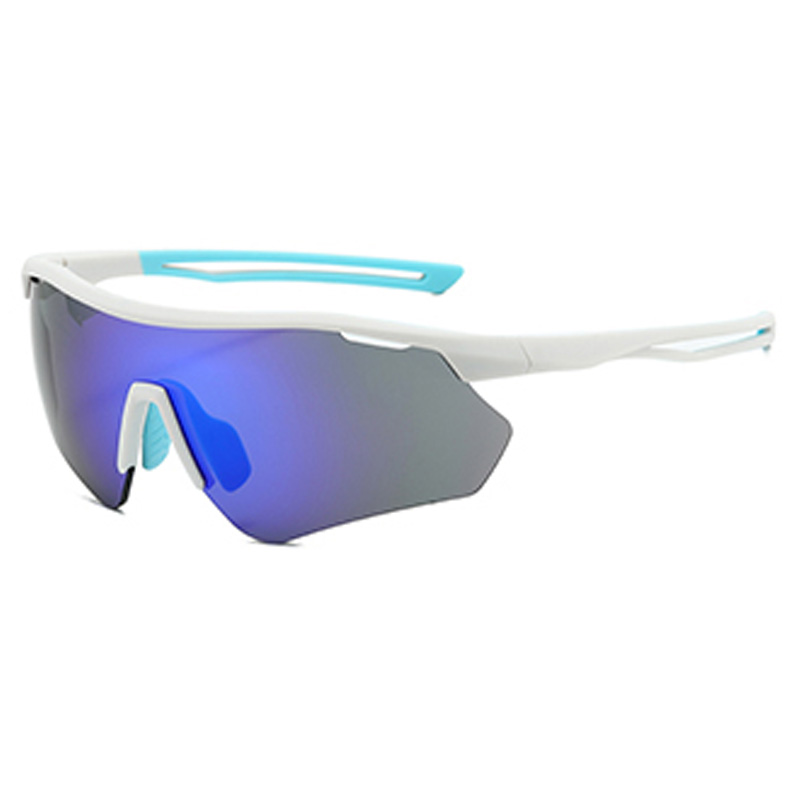
Weather directly affects the amount and quality of light reaching the eyes. On a clear sunny day, strong sunlight can create intense glare and make outdoor vision uncomfortable. Cloudy weather produces softer light but can still include ultraviolet exposure. Wind may introduce dust and small particles into the eyes, while rain can reduce visibility and create reflections on roads, water, and other surfaces.
Because of these differences, one type of sports sunglasses may not be equally suitable for every outdoor situation. A lens that works well in bright sunlight may feel too dark under cloudy conditions. Similarly, a frame designed for maximum coverage may require effective ventilation when used during high-intensity exercise.
When choosing sports sunglasses, consider the typical weather, activity level, lighting environment, and duration of use. This approach helps match the sunglasses with actual outdoor requirements instead of selecting them based only on appearance.
Bright and sunny weather is one of the most common situations in which sports sunglasses are used. Strong sunlight can cause discomfort and make it harder to see clearly, especially when outdoor activities continue for several hours. Sunglasses with suitable light-filtering performance can make bright environments more comfortable.
For sunny conditions, consider sports sunglasses with lenses designed for strong light. Lens coverage is also important because sunlight can enter from the sides, particularly when cycling, running, or hiking. A well-designed frame can provide additional coverage around the eyes.
UV protection is another important consideration. Outdoor exposure can occur even when the temperature feels comfortable. Choosing sports sunglasses with appropriate UV protection can help reduce direct exposure to ultraviolet radiation during outdoor activities.
For activities involving rapid movement, the frame should also remain stable. A secure fit can prevent the sunglasses from shifting during cycling, running, or other sports. Comfortable nose support and temple design can make a noticeable difference during extended use.
Cloudy weather creates different requirements for sports sunglasses. The sky may appear darker, but outdoor environments can still contain significant levels of daylight and ultraviolet radiation. Very dark lenses may reduce useful visibility when there is already limited natural light.
For cloudy conditions, lighter lens options can be more practical. The goal is to reduce unnecessary glare while maintaining sufficient brightness for identifying roads, trails, obstacles, and changes in terrain.
Cloudy conditions are especially relevant for runners, cyclists, hikers, and outdoor workers who may spend several hours outside. When selecting sports sunglasses, consider lens transmission and overall visibility rather than choosing a lens only because it appears darker.
Lightweight frames can also improve comfort during extended activities. When weather conditions are mild, ventilation and a secure fit remain important because physical activity can still produce heat and perspiration.
Wind can create eye irritation even when sunlight is not particularly strong. Dust, sand, pollen, and other airborne particles may enter the eyes during outdoor activities. This makes frame coverage an important consideration when choosing sports sunglasses for windy conditions.
Wraparound designs can provide broader coverage around the sides of the face. This can help reduce direct airflow and limit exposure to airborne particles. For cycling, running, hiking, and other activities where movement increases airflow, well-fitting sports sunglasses can improve overall comfort.
Ventilation should not be overlooked. Excessive coverage without adequate airflow can increase the possibility of lens fogging, especially when the wearer is exercising. Good sports sunglasses should balance protection and ventilation according to the activity and environment.
Frame stability is also important in windy conditions. Sunglasses that move easily can become distracting and may require frequent adjustment. A secure fit helps maintain consistent coverage while allowing the wearer to focus on the activity.
Rain changes outdoor visibility in several ways. Water droplets can collect on lenses, roads can become reflective, and contrast may change as the sky becomes darker. For these conditions, sports sunglasses should provide useful visibility without unnecessarily reducing the available light.
Lens surface characteristics are particularly important during wet weather. A suitable lens can help maintain visual clarity when conditions become damp. Frame design should also allow enough ventilation to manage moisture and reduce fogging during exercise.
For cycling and running in light rain, comfortable and stable sports sunglasses can help protect the eyes from direct droplets and wind. However, users should always consider visibility and safety first. If weather conditions become severe enough to significantly reduce visibility, outdoor activity may need to be postponed.
Some outdoor activities take place over several hours, during which weather conditions may change from sunny to cloudy, windy, or rainy. In these situations, choosing versatile sports sunglasses can be useful.
Lens adaptability becomes particularly valuable when light levels change frequently. Depending on the design, certain lenses may be intended for a broader range of lighting conditions. Users should consider the expected environment and select sports sunglasses that match the full duration of the activity rather than focusing only on the weather at the starting point.
Comfort is equally important for changing weather. A lightweight frame, secure fit, appropriate ventilation, and suitable lens coverage can make the sunglasses easier to wear for long periods.
Lens color is another factor to consider when choosing sports sunglasses. Different lens colors can influence how the outdoor environment appears and how much light reaches the eyes. The best choice depends on the weather, activity, and personal visual requirements.
Darker lenses may be useful in bright environments because they can reduce the amount of visible light reaching the eyes. Lighter lenses can be more appropriate when outdoor light is weaker, such as during cloudy conditions or certain low-light activities.
Some lens colors can also influence contrast. This can be useful for activities where identifying surface changes, terrain, or objects is important. However, lens color should not be considered independently from UV protection, optical quality, and overall lens performance.
When selecting sports sunglasses, users should look at the complete lens specification rather than choosing a color simply because it looks attractive.
Cycling requires sports sunglasses that can remain stable at higher speeds while providing adequate coverage. Wind exposure can be significant, and cyclists may encounter direct sunlight, road glare, dust, and changing weather during the same ride.
For cycling, consider a lightweight frame with secure temple support. A wraparound structure can provide useful side coverage, while suitable ventilation can help reduce fogging. Lens selection should reflect the expected lighting conditions. Riders who frequently cycle in changing weather may prefer a versatile lens solution.
Comfort is especially important because cycling sessions can last for several hours. Pressure around the nose, ears, or temples can become noticeable over time. Properly fitted sports sunglasses should remain stable without creating unnecessary pressure.
Running involves continuous movement, which means sports sunglasses should remain secure while the wearer moves. A lightweight design can reduce the feeling of carrying additional weight on the face, especially during longer runs.
Weather should guide lens selection. Bright sunlight may require stronger light reduction, while cloudy conditions may benefit from lighter lenses. Wind protection can also be useful when running in exposed areas.
Ventilation is another important feature. During intense exercise, body heat and moisture can increase the possibility of fogging. Properly designed sports sunglasses can balance coverage with airflow to support comfortable use.
Hiking can involve rapidly changing environments. A trail may move between open sunlight, shaded forest, rocky areas, and exposed mountain terrain. As a result, sports sunglasses should provide a useful balance between eye coverage, visual clarity, and comfort.
Hikers should consider the expected altitude, sunlight intensity, wind, and terrain. Wide coverage can help protect the eyes from wind and airborne particles. A stable frame is also useful when walking over uneven ground.
Because hiking can last for many hours, lightweight construction and comfortable nose and temple contact points are particularly valuable. Properly selected sports sunglasses can make extended outdoor use more comfortable.
Water environments can create strong reflected light, making suitable sports sunglasses particularly useful for fishing, boating, kayaking, and other outdoor water activities. Reflections from the water surface can affect visual comfort and make it harder to see clearly.
For water activities, lens performance and coverage should be considered carefully. A secure frame is important because movement, wind, and water spray can cause poorly fitted sunglasses to shift.
Users should also consider whether the selected sports sunglasses provide suitable protection against UV exposure. Long periods around open water can involve substantial outdoor exposure, even when the weather does not feel extremely hot.
Weather is only one part of the selection process. The fit of sports sunglasses can influence performance in almost every outdoor condition. A frame that is too loose may move during exercise, while a frame that is too tight may create pressure points.
Look for a stable fit around the nose and temples. The sunglasses should remain in position without requiring constant adjustment. For high-movement activities, frame stability is particularly important.
Weight also matters. Lightweight Sports Sunglasses are generally easier to wear for extended periods. However, low weight should not come at the expense of durability or structural stability.
A practical selection process can make it easier to choose the right sports sunglasses. First, identify the main activity. Cycling, running, hiking, fishing, and other sports can have different requirements.
Second, evaluate the typical weather conditions. Determine whether the sunglasses will mainly be used in bright sunlight, cloudy weather, windy environments, rain, or changing conditions.
Third, consider lens characteristics. Think about light levels, visibility, UV protection, and the type of visual environment involved.
Fourth, check frame coverage and fit. Make sure the frame remains stable and provides suitable coverage without creating excessive pressure.
Finally, consider long-term comfort. The best sports sunglasses for regular outdoor use should be comfortable enough to wear throughout the intended activity.
One common mistake is selecting sports sunglasses based only on appearance. Attractive styling is useful, but outdoor performance depends on lens characteristics, fit, coverage, and comfort.
Another mistake is assuming that darker lenses are always better. Lens darkness should correspond to the lighting environment. Excessively dark lenses can make visibility less comfortable when weather conditions become cloudy or dim.
Ignoring ventilation is another potential problem. During exercise, heat and moisture can cause fogging. A suitable frame should balance eye coverage with adequate airflow.
Users should also avoid choosing a frame that is too loose. Movement during sports can cause repeated adjustment and reduce comfort. A secure fit is an important part of selecting effective sports sunglasses.
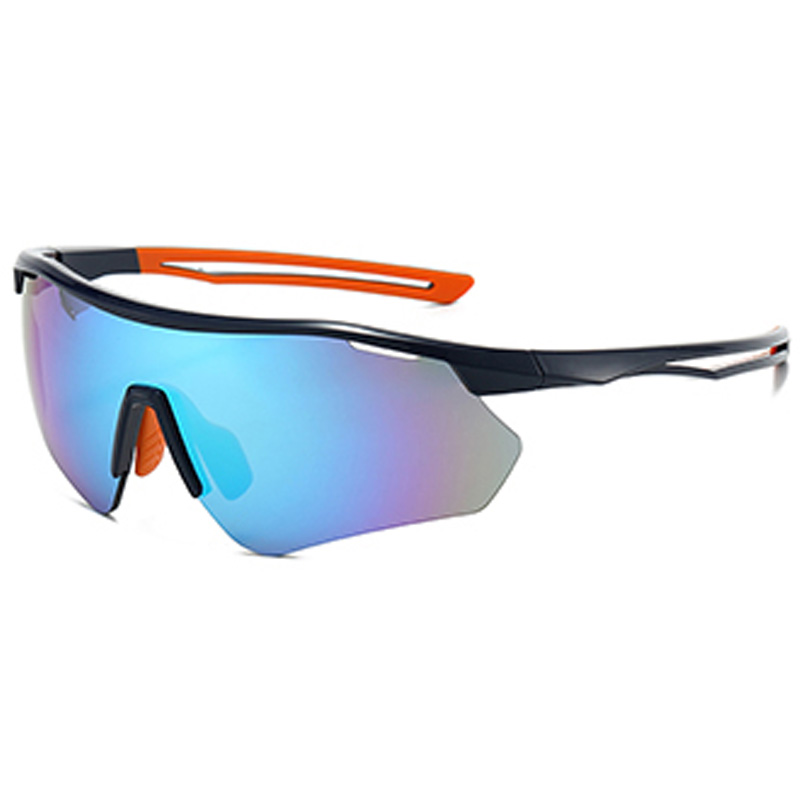
The right sports sunglasses should match both the activity and the weather. Bright sunny conditions generally require suitable light reduction and strong coverage. Cloudy conditions may require lighter lenses to preserve visibility. Windy environments benefit from stable frames and useful side coverage, while rainy conditions require attention to visibility, ventilation, and lens performance.
There is no single design that is ideal for every outdoor environment. The most practical approach is to consider the complete combination of weather, activity, lens characteristics, frame structure, fit, and comfort. By evaluating these factors before purchasing, users can select sports sunglasses that better match their outdoor needs.
Whether the activity is cycling, running, hiking, fishing, or another outdoor sport, properly selected sports sunglasses can provide useful eye coverage and comfortable vision across a range of weather conditions. Careful selection based on real usage conditions is the key to finding suitable sports sunglasses for reliable outdoor use.
This website uses cookies to ensure you get the best experience on our website.



 Phone
Comment
(0)