

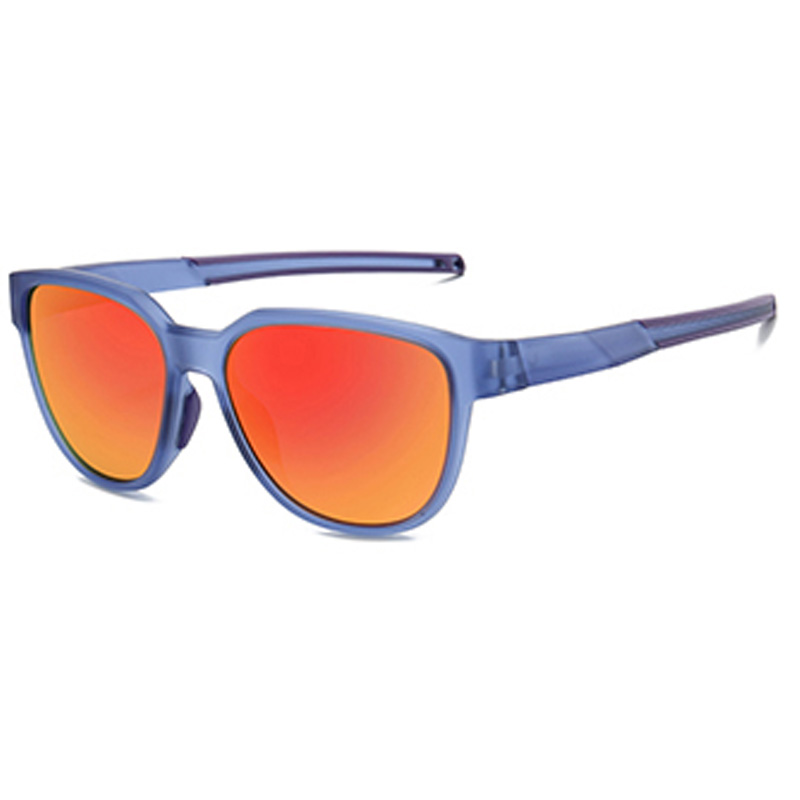
Choosing the right sports Sunglasses for cycling is one of the most important decisions a rider can make for comfort, visibility, and eye protection. Whether you ride on roads, gravel, trails, or long-distance routes, Cycling sunglasses help reduce glare, block harmful UV rays, protect against wind and debris, and improve visual clarity in changing outdoor conditions. A well-chosen pair of cycling sunglasses can also reduce eye fatigue, improve focus, and make every ride safer and more enjoyable.
This guide explains how to choose cycling sunglasses based on lens type, frame design, fit, ventilation, coverage, and performance features. It is written for blog pages, category pages, and SEO-friendly industry content, with practical information that can be used on a website without mentioning specific brands or companies.
Sports sunglasses for cycling are specialized eyewear designed to support riders during outdoor cycling activities. Unlike casual sunglasses, they are built for active use, with lightweight frames, secure grip, wraparound coverage, impact resistance, and lenses that improve visibility while riding at speed. Their main purpose is not only style, but performance and protection.
These sunglasses are made to stay stable during movement, reduce wind exposure, and shield the eyes from road dust, insects, rain, and bright sunlight. Many cycling sunglasses also feature interchangeable lenses, anti-fog ventilation, adjustable nose pads, and temple grips to improve comfort during long rides.
Cycling places unique demands on the eyes. Riders are exposed to direct sunlight, fast-changing light conditions, flying debris, and strong air movement. Without proper eye protection, vision can be reduced and comfort can decline quickly. High-quality cycling sunglasses help solve these problems by combining optical clarity, safety, and ergonomic design.
When selecting cycling sunglasses, the most important thing is to match the eyewear to your riding style, local weather, and vision needs. The best pair should feel secure, provide wide coverage, and support clear vision in both bright and variable conditions.
The lens is the most important component of sports sunglasses for cycling. Different lenses offer different levels of brightness control, contrast enhancement, and color perception. Choosing the right lens type depends on the time of day, weather, and riding environment.
| Lens Type | Main Benefit | Best For | Notes |
|---|---|---|---|
| Dark Tinted Lens | Reduces brightness and glare | Sunny daytime rides | Common for bright outdoor conditions |
| Clear Lens | Protects eyes without reducing visibility | Night rides, low light, indoor use | Good for wind and debris protection |
| Photochromic Lens | Automatically adjusts to light changes | Variable weather and mixed lighting | Popular for riders who move between sun and shade |
| Polarized Lens | Reduces reflected glare | Road cycling, water routes, bright surfaces | May affect visibility of some screens or wet pavement texture |
| Mirror Lens | Reflects light and lowers brightness | High-glare environments | Often paired with tinted base lenses |
| Contrast-Enhancing Lens | Improves depth and detail perception | Trail, gravel, and changing terrain | Useful where road texture and obstacles matter |
For cycling sunglasses, UV protection should be a top priority. Look for lenses that block 100% of UVA and UVB rays, or a rating such as UV400. This helps protect the eyes from long-term damage caused by sun exposure. Even on cloudy days, UV rays can still reach the eyes, so protection is important year-round.
UV protection is not the same as lens darkness. A dark lens without proper UV filtering can still allow harmful rays through. Always choose cycling sunglasses that clearly state full UV protection.
Frame shape affects both performance and protection. Wraparound designs are often preferred for cycling because they cover more of the eye area and help block wind and debris from the sides. Larger lenses may also improve peripheral vision, which is helpful when riding in traffic or navigating trails.
Key frame-shape features to consider:
A secure fit is essential for any sports sunglasses for cycling. Sunglasses that slip, bounce, or press too tightly can cause distraction and discomfort. The ideal pair should remain stable during movement and vibration while still feeling light and natural.
Look for these fit-related features:
Cycling generates body heat, and body heat combined with cool air or humidity can cause lens fogging. Fogged lenses reduce visibility and can create safety risks, especially during climbs, stops, or wet conditions. Good cycling sunglasses often include ventilation channels or lens designs that improve airflow.
Benefits of ventilation include:
Some lenses also have anti-fog coatings. These coatings can be helpful, but ventilation and proper fit remain equally important. If a lens sits too close to the face, fogging may still happen even with a coating.
The material of the lens affects durability, optical clarity, and impact resistance. For cycling, the lens should be strong enough to resist small impacts while maintaining clear vision.
| Lens Material | Advantages | Considerations |
|---|---|---|
| Polycarbonate | Lightweight, impact-resistant, common in sports eyewear | Very popular for cycling sunglasses |
| Trivex | Light, strong, and offers good optical clarity | Often used in premium performance eyewear |
| Glass | Excellent optical clarity | Heavier and less common in active sports sunglasses |
For most cycling applications, polycarbonate and Trivex are the most practical choices because they combine safety, weight savings, and durability.
Lens color affects how you see contrast, brightness, and terrain details. Different tints are better suited to different riding conditions. Selecting the right tint can make a noticeable difference in ride quality.
| Lens Color | Visual Effect | Common Use |
|---|---|---|
| Gray | Reduces brightness while preserving natural color perception | General sunny riding |
| Brown / Amber | Enhances contrast and depth perception | Mixed light, trail, gravel, and variable terrain |
| Yellow | Brightens low-light scenes and improves contrast | Cloudy days, dawn, dusk |
| Green | Balances contrast and brightness | General outdoor cycling |
| Blue / Purple | Can reduce brightness and add visual comfort | Style-focused or specific light environments |
There is no single “best” tint for all cyclists. Riders who frequently encounter changing conditions may benefit from photochromic lenses, while those who ride mostly in strong sun may prefer darker or mirrored lenses.
Polarized cycling sunglasses can reduce reflected glare from wet roads, car windshields, and flat surfaces. This can be useful for road cyclists who often ride in bright environments. However, polarization is not always required, and some riders prefer non-polarized lenses for better visibility of certain surfaces, screens, or road texture.
Polarized lenses may be a strong choice if glare is a major concern. Non-polarized lenses may be preferred if you want a simpler all-around option or need better compatibility with digital displays.
Some sports sunglasses for cycling come with interchangeable lenses, allowing riders to switch between different tints for Different Weather Conditions. This is a practical solution for cyclists who ride in multiple environments or throughout different times of day.
Advantages of interchangeable lenses include:
Riders who normally wear corrective lenses should check whether cycling sunglasses can support prescription inserts or prescription lenses. Good visual correction is essential for safe riding, especially in traffic or on technical routes. Some eyewear designs support inserts behind the main lens, while others can be made with prescription sport lenses.
When choosing prescription-compatible cycling sunglasses, consider:
Different types of cycling require different sunglass features. The best sports sunglasses for cycling should match the specific demands of the ride.
| Riding Style | Recommended Features | Why It Matters |
|---|---|---|
| Road Cycling | Wide coverage, anti-glare lenses, lightweight frame, secure grip | Road riders face sun, speed, wind, and traffic conditions |
| Mountain Biking | Impact resistance, contrast lenses, stable fit, venting | Trail riding requires terrain visibility and protection from branches or debris |
| Gravel Riding | Contrast-enhancing or photochromic lenses, wraparound coverage | Gravel terrain changes quickly with shade, dust, and surface variation |
| Commuting | Clear or photochromic lenses, comfort, full UV protection | Useful for changing light and urban debris protection |
| Indoor-to-Outdoor Transition | Photochromic or interchangeable lenses | Helps adapt to different lighting environments |
Beyond lens type and fit, several technical features can improve the performance of cycling sunglasses. These details often separate basic eyewear from true cycling-specific sports sunglasses.
Lightweight sunglasses are easier to wear for long periods. Less weight means less pressure on the nose and ears and better overall comfort during endurance rides.
As you ride, sweat can reduce friction and make sunglasses slide down the face. Rubberized nose pads and temple tips help improve grip and keep the frame secure.
Cycling sunglasses should help protect against small impacts from insects, gravel, and road debris. Durable lenses and frames are especially important for fast riding and off-road use.
Good peripheral vision helps riders notice traffic, obstacles, and changes in terrain without turning the head constantly. A well-designed wraparound lens can improve side visibility while still maintaining a snug fit.
Scratches can reduce visibility and shorten the useful life of sunglasses. A scratch-resistant coating can help preserve lens quality over time, especially for riders who use their sunglasses frequently.
Size matters in cycling sunglasses. A frame that is too large may slip or feel unstable, while a frame that is too small may reduce coverage and comfort. The right size should match the width of your face and the shape of your nose bridge and cheekbones.
Check for the following:
Many buyers focus only on appearance and overlook the practical features that matter most during riding. To avoid poor performance and discomfort, try not to make these mistakes:
Proper care helps cycling sunglasses last longer and perform better. Even high-quality lenses can become cloudy or scratched if they are not maintained correctly.
| Feature | Recommended Specification | Why It Helps |
|---|---|---|
| UV Protection | 100% UVA/UVB or UV400 | Protects eye health during outdoor exposure |
| Frame Material | Lightweight, flexible, durable polymer or similar sport-grade material | Improves comfort and resistance to movement |
| Lens Material | Polycarbonate or Trivex | Offers impact resistance and light weight |
| Fit | Secure, wraparound, adjustable | Prevents slipping during cycling |
| Ventilation | Integrated airflow channels or anti-fog design | Reduces fogging in active use |
| Coverage | Large lens with side protection | Blocks wind, debris, and glare |
| Lens Options | Tinted, clear, photochromic, polarized, interchangeable | Supports different weather and lighting conditions |
| Grip Features | Rubber nose pads and temple tips | Improves stability during sweat and vibration |
Although sunglasses may seem like a small accessory, they can contribute meaningfully to performance and safety. Better vision allows better reaction time. Less glare means less eye strain. More protection means fewer distractions from wind, debris, or insects. For many cyclists, the right eyewear makes riding feel smoother, safer, and more controlled.
In summary, sports sunglasses for cycling are not just a style item. They are a functional piece of cycling equipment that supports clear vision, eye protection, and all-day comfort. Choosing the right pair means looking at lens technology, frame fit, coverage, and the type of riding you do most often.
When choosing sports sunglasses for cycling, the best approach is to focus on protection, fit, visibility, and riding comfort. A good pair should shield your eyes from UV rays, reduce glare, stay stable on your face, and support clear vision in changing light. By comparing lens types, frame materials, coverage, and ventilation, cyclists can find sunglasses that improve both safety and ride quality.
For SEO-focused content, this topic performs well because it combines search intent around how to choose cycling sunglasses, best sports sunglasses for cycling, cycling eyewear, UV Protection Sunglasses for cycling, and Wraparound Cycling Sunglasses. A well-structured page with tables, headings, and practical specification information can help attract both informational traffic and buyers researching performance eyewear.
This website uses cookies to ensure you get the best experience on our website.



 Phone
Comment
(0)