

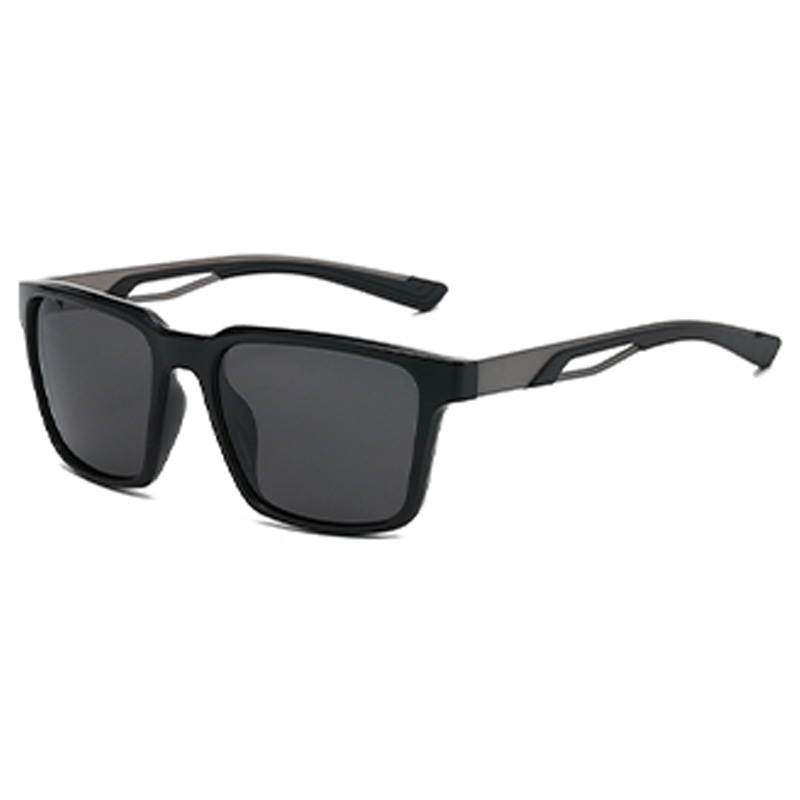
Choosing the right optical glasses for a professional look is about more than vision correction. In business, client meetings, interviews, presentations, and daily office wear, your eyeglasses can shape how others perceive your confidence, style, and attention to detail. The best professional eyeglasses balance function, comfort, face-flattering design, and subtle elegance.
This guide explains how to choose office glasses that support a polished appearance, outlines frame and lens options, compares popular styles, and provides a practical specification table for reference. The content is written for general industry use and can be inserted directly into an HTML page for a blog, directory page, or category landing page.
Optical glasses are prescription or non-prescription eyewear designed to improve vision, reduce eye strain, and enhance appearance. When people refer to glasses for a professional look, they usually mean frames that appear refined, clean, and appropriate for formal or business environments.
A professional style does not need to be boring. It simply means the glasses look intentional, balanced, and suitable for work settings. Whether you prefer classic rectangular frames, minimal metal designs, or modern acetate frames, the right choice should complement your face shape, skin tone, wardrobe, and workplace culture.
Eyewear is often one of the first features people notice. In professional environments, glasses can help create a strong visual identity. Clean, well-fitting frames can communicate competence, reliability, and maturity. On the other hand, oversized, poorly fitted, or distracting eyewear may reduce the sense of polish you want to project.
Here are the main reasons professionals pay attention to eyewear selection:
The most effective professional eyewear usually shares several important qualities. These features help create a refined look while supporting everyday use.
When selecting optical glasses for a professional look, think about style, shape, fit, and function together. The goal is not simply to buy fashionable frames, but to select eyewear that strengthens your professional image.
Different industries have different style expectations. Corporate offices, law firms, finance, healthcare, education, tech companies, and creative agencies may all respond to eyewear differently. Traditional workplaces often favor subtle, classic frames. Creative or modern workplaces may allow more expressive shapes, though still within a polished range.
A safe rule is to choose frames that are refined enough for meetings and formal enough for client-facing situations, while still reflecting your personality.
Face shape is one of the most important factors in choosing professional glasses frames. The right shape can create balance and harmony, helping your eyewear look more natural.
| Face Shape | Recommended Frame Shapes | Professional Style Effect |
|---|---|---|
| Round | Rectangular, square, geometric | Adds structure and sharpness |
| Square | Oval, round, softly curved frames | Softens angular features |
| Oval | Most shapes, especially rectangular or classic square | Highly versatile and balanced |
| Heart | Bottom-heavy frames, oval, light metal styles | Balances wider forehead and narrower chin |
| Diamond | Oval, cat-eye with subtle lift, rimless styles | Highlights cheekbones without overpowering them |
| Oblong | Deeper frames, oversized rectangles, wider styles | Creates visual proportion and presence |
Color strongly affects how glasses are perceived. In professional settings, neutral tones are usually the most versatile. They coordinate easily with suits, blazers, dresses, shirts, and business-casual clothing.
Popular professional frame colors include:
Bright colors can work in some office environments, but if your goal is a strong professional appearance, muted tones are usually more effective.
The material of the frame affects durability, weight, appearance, and comfort. Some materials are more formal-looking than others.
| Frame Material | Advantages | Professional Look Level |
|---|---|---|
| Acetate | Stylish, durable, available in many colors and patterns | High |
| Metal | Lightweight, slim, elegant, easy to wear all day | Very high |
| Titanium | Extremely light, strong, corrosion-resistant | Very high |
| Stainless steel | Durable, affordable, sleek appearance | High |
| TR90 / flexible polymer | Comfortable, lightweight, resilient | Moderate to high |
| Rimless | Minimal, barely visible, very refined | Very high |
Even the most elegant eyewear looks unprofessional if the size is wrong. A frame that is too large may slide down the nose or dominate your features. A frame that is too small may appear tight, uncomfortable, and visually unbalanced.
A professional fit should ensure that:
Different eyewear styles create different visual impressions. If you want glasses for a professional look, these are the most common style categories to consider.
Rectangular glasses are one of the most popular choices for business and office wear. They create clean lines and a sharp silhouette, making them a dependable option for both men and women. These frames are especially effective for round or softer face shapes.
Square frames offer a strong and structured appearance. They can help convey confidence, leadership, and clarity. When designed with moderate thickness and balanced proportions, they look professional without feeling harsh.
Round eyeglasses can appear intellectual, creative, and refined. For a professional setting, the key is choosing a clean, minimal round frame rather than an exaggerated vintage style. Thin metal round frames often work well in modern workplaces.
Oval frames are soft, versatile, and easy to wear. They suit many face shapes and can look elegant in both metal and acetate materials. Their subtle curvature often creates a more approachable professional appearance.
Rimless eyeglasses are ideal for a minimal and understated look. They reduce visual weight and work well for people who want their glasses to blend seamlessly into their overall appearance. Rimless styles are often associated with maturity and sophistication.
Thin metal frames remain a top choice for professionals because they look refined, lightweight, and clean. Gold, silver, black, and gunmetal finishes are especially popular in corporate and academic settings.
Acetate frames can look highly professional when the shape and color are chosen well. Dark tortoiseshell, deep brown, matte black, and transparent acetate styles are all widely accepted in work environments.
Frames matter, but lenses are equally important. The right lens treatment can improve clarity, reduce glare, and support a more polished look.
| Lens Option | Main Benefit | Best For |
|---|---|---|
| Single-vision lenses | Correct one field of vision | Distance or near vision needs |
| Bifocal lenses | Two prescription zones | Wearers needing near and distance correction |
| Progressive lenses | Multiple vision zones without visible lines | Professional wearers wanting a seamless look |
| Blue light filtering | Helps reduce screen-related eye strain | Office workers and digital users |
| Anti-reflective coating | Reduces glare and lens reflections | Meetings, video calls, and presentations |
| Photochromic lenses | Adjust to changing light conditions | People moving between indoor and outdoor settings |
| High-index lenses | Thinner, lighter lens profile | Higher prescriptions |
For a professional look, anti-reflective coating is especially valuable because it reduces distracting reflections during meetings, photos, and video conferencing. High-index lenses can also be useful if your prescription is stronger and you want slimmer lenses that appear more elegant.
Eyeglasses can subtly shape how others interpret your personality and work style. In many industries, glasses are associated with intelligence, seriousness, attention to detail, and professionalism. However, the exact impression depends on the frame design and how well the glasses suit your features.
A well-chosen pair of glasses can make the face look more organized and polished. The eyes become framed in a way that draws focus to your expressions, improving visual engagement during conversations. This is one reason why many professionals see eyewear as part of their personal presentation strategy.
A poor choice, by contrast, may cause visual distraction. Overly decorative, oversized, or ill-fitting frames can compete with your face rather than support it. The goal of professional eyewear is to enhance, not dominate.
Some glasses are designed primarily for trend-forward fashion, while others are better suited for office and business use. The difference usually lies in restraint, versatility, and long-term wearability.
| Category | Typical Design Traits | Professional Suitability |
|---|---|---|
| Office glasses | Neutral colors, clean shapes, subtle materials | Very high |
| Fashion glasses | Bold colors, statement details, trendy silhouettes | Varies by workplace |
| Minimalist glasses | Thin lines, lightweight build, understated design | Very high |
| Statement glasses | Thicker frames, vivid colors, strong visual impact | Moderate |
If your goal is to look credible across a wide range of settings, minimal or classic office glasses are often the safest choice. If your workplace encourages creativity, you may have more room to select bolder professional eyewear while still keeping the overall design polished.
Although some frame marketing is gendered, the most practical way to choose glasses is by face shape, proportions, wardrobe, and work environment rather than by gender label. Many of the most effective professional eyeglasses are gender-neutral in style.
Gender-neutral style principles include:
This approach helps buyers focus on what actually improves the professional look rather than on marketing categories that may not reflect their needs.
The following table summarizes common specifications for glasses that work well in professional environments.
| Specification | Recommended Range / Option | Why It Matters |
|---|---|---|
| Frame width | Matches face width closely | Prevents oversized or tight appearance |
| Frame shape | Rectangular, square, oval, round, rimless | Supports a clean professional image |
| Frame color | Black, brown, tortoiseshell, gold, silver, clear | Enhances versatility and polish |
| Frame material | Metal, acetate, titanium, stainless steel | Impacts comfort, durability, and appearance |
| Lens type | Single-vision, progressive, bifocal | Ensures correct vision support |
| Coating | Anti-reflective, scratch-resistant | Improves clarity and longevity |
| Weight | Light to moderate | Better for all-day wear |
| Bridge fit | Secure, stable, non-slipping | Improves comfort and appearance |
| Temple length | Appropriate to head size and ear position | Prevents pressure and poor alignment |
| Lens thickness | Thin or slim profile when possible | Creates a cleaner, more refined look |
Even after choosing the right frames, there are several ways to make your eyewear look more polished in daily use.
Many people select glasses based only on trends, without considering work environment or face shape. To avoid a less professional result, watch out for these common mistakes:
A professional appearance should look effortless. If the eyewear constantly needs adjusting, feels heavy, or draws too much attention, it may not be the right choice.
Investing time in choosing the right optical glasses for a professional look offers both aesthetic and practical benefits.
Below are some commonly preferred combinations for a polished business appearance.
| Style Combination | Visual Impression | Typical Use Case |
|---|---|---|
| Black rectangular acetate | Strong, classic, authoritative | Corporate, legal, management roles |
| Thin silver metal oval | Light, clean, intelligent | Academic, consulting, office wear |
| Brown tortoiseshell square | Warm, polished, approachable | Client meetings, daily office use |
| Clear minimalist frame | Modern, subtle, contemporary | Tech, design, modern workplaces |
| Rimless neutral lenses | Minimal, mature, understated | Formal business and executive settings |
The best optical glasses for a professional look are the ones that fit well, feel comfortable, and reflect the right level of polish for your environment. A strong professional eyewear choice combines balanced proportions, subtle colors, quality materials, and clear lenses. By considering your face shape, workplace style, and daily needs, you can choose glasses that support both your vision and your image.
Whether you prefer minimalist metal frames, classic acetate styles, or rimless eyewear, the key is consistency: your glasses should look intentional, refined, and reliable. In professional settings, that subtle attention to detail can make a meaningful difference.
The most professional glasses are usually classic, well-fitted frames in neutral colors such as black, brown, tortoiseshell, silver, or gold. Rectangular, square, oval, and rimless styles are especially common in business settings.
Not always, but metal frames often look slimmer and more understated, which can create a polished office-friendly appearance. Plastic or acetate frames can also look professional when the shape and color are subtle.
Anti-reflective coating is one of the best options for office glasses because it reduces glare and improves clarity. Scratch-resistant and blue light filtering coatings may also be helpful depending on your work environment.
Yes. The right glasses can make your appearance look more organized, confident, and polished. They can also help people focus on your facial expressions during communication.
This website uses cookies to ensure you get the best experience on our website.



 Phone
Comment
(0)