

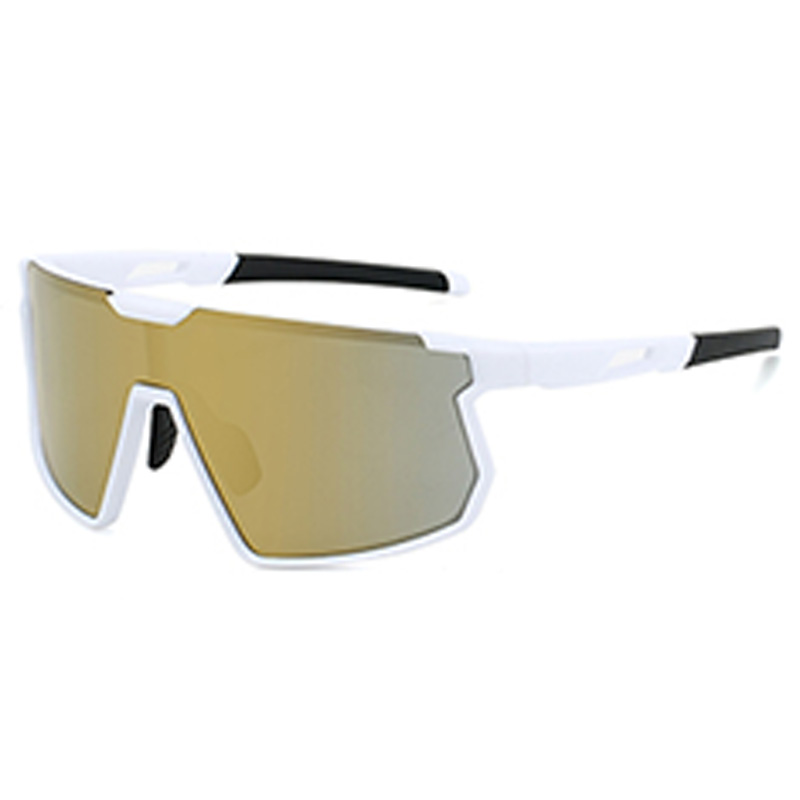
Choosing the right glasses for everyday activities is about more than vision correction. The best eyewear should
support clear sight, provide all-day comfort, match your daily routines, and help protect your eyes in different
environments. Whether you spend most of your time working at a computer, driving, reading, moving between indoor
and outdoor spaces, or handling a mix of tasks throughout the day, the right pair of glasses can make a noticeable
difference in comfort, focus, and visual performance.
This guide explains how to choose glasses for everyday activities using practical, industry-based information.
It covers frame types, lens materials, lens coatings, fit considerations, common use cases, and technical
specifications that can help users compare eyewear options. The content is written in clear English and structured
for SEO-friendly publishing on blogs, directory pages, industry pages, or other informational websites.
Everyday glasses are eyeglasses designed for regular daily use across common activities such as reading, working,
commuting, shopping, attending classes, using digital devices, and performing light indoor or outdoor tasks.
Unlike highly specialized eyewear made for one specific purpose, everyday glasses aim to provide balanced
performance in multiple situations.
In most cases, everyday glasses are selected based on a combination of prescription strength, frame durability,
lens clarity, weight, and comfort. Many wearers also choose lens treatments that improve scratch resistance,
reduce glare, block UV rays, and help manage digital eye strain. The ideal everyday glasses should be functional,
versatile, and easy to wear for long periods.
The right glasses can improve daily visual comfort and reduce common issues caused by poorly fitted or unsuitable
eyewear. For example, lenses that do not match your prescription accurately can cause blurred vision, headaches,
or eye fatigue. Frames that are too tight or too loose can create pressure, slipping, or discomfort during long
wear. Wrong lens materials or coatings may lead to excess glare, reduced durability, or visual distortion.
Choosing glasses carefully also supports productivity and safety. Clear vision matters when reading labels, using
digital screens, driving in varying light conditions, walking in busy environments, or switching between close-up
and distance tasks. A well-chosen pair of everyday glasses can help make these transitions smoother and more
comfortable.
There is no single universal pair of glasses that works for everyone. The best choice depends on lifestyle, visual
needs, face shape, prescription type, and preferred level of comfort. Below are the most important factors to
consider when selecting everyday eyewear.
Prescription accuracy is one of the most important factors in choosing glasses for everyday activities. Even minor
errors in lens power, astigmatism correction, or pupillary distance can affect how natural and comfortable vision
feels. Accurate prescriptions support sharper sight and reduce strain.
For people who wear glasses all day, prescription precision becomes even more important. A lens that works well
for reading may not feel suitable for commuting or working at a distance. Understanding the intended use of the
glasses helps ensure the prescription supports your daily routine.
A comfortable frame is essential for all-day wear. Frames should sit evenly on the nose, rest securely behind the
ears, and avoid excessive pressure on the temples. If the frame is too heavy, too narrow, or too wide, it can
become uncomfortable over time.
Important fit points include:
A proper fit helps maintain stable lens positioning, which is especially important for progressive lenses and
multifocal eyewear.
Different lens materials offer different benefits. The most common options include plastic, polycarbonate, high-index
materials, and Trivex. Each has specific strengths in terms of weight, thickness, impact resistance, and visual
performance.
For everyday activities, lens material affects how light or durable the glasses feel during long wear. Lightweight
materials can improve comfort, while stronger materials may be preferred for more active routines or better impact
resistance.
Lens coatings can significantly improve the usefulness of everyday glasses. Common coatings include anti-reflective
coating, scratch-resistant coating, UV protection, blue light filtering, and hydrophobic or oleophobic coatings
that help repel water, smudges, and fingerprints.
These coatings are not always necessary for every wearer, but they can enhance performance in specific situations.
For example, anti-reflective coating may be helpful for screen use and night driving, while scratch-resistant
coating can improve durability for frequent daily use.
The right glasses should match your common routines. Someone who spends most of the day at a desk may need different
features than someone who regularly moves between indoor and outdoor settings. People who drive frequently may
prioritize glare reduction and UV protection, while people who read often may focus on near-vision comfort.
Thinking about your actual day-to-day activities is one of the best ways to choose practical eyewear.
Everyday eyewear can be designed in several ways depending on visual needs and activity patterns. The following
categories are widely used across the eyewear industry.
| Type of Glasses | Main Purpose | Best For | Key Advantage |
|---|---|---|---|
| Single Vision Glasses | Correct one field of vision | Reading, distance, or general daily use | Simple, clear, and widely used |
| Reading Glasses | Support close-up vision | Books, labels, paperwork, and small tasks | Convenient for near work |
| Progressive Glasses | Multiple vision zones without lines | Users who need near, intermediate, and distance correction | Versatile for all-day wear |
| Blue Light Glasses | Reduce screen-related visual discomfort | Office work, laptops, tablets, phones | Useful for digital routines |
| Photochromic Glasses | Adjust tint in changing light | Indoor-outdoor transitions | Convenient light adaptation |
| Safety Glasses | Protect eyes from impact and debris | Workshops, industrial tasks, home projects | Added protection and durability |
Lens material has a direct impact on comfort, thickness, clarity, and durability. Choosing the right material can
make everyday glasses more practical and easier to wear for long periods.
| Lens Material | Weight | Impact Resistance | Thickness | Typical Use |
|---|---|---|---|---|
| Standard Plastic | Light | Moderate | Medium | General daily wear, basic prescriptions |
| Polycarbonate | Very light | High | Thin | Active use, children, safety-conscious wearers |
| Trivex | Very light | High | Thin | All-day comfort, impact-resistant everyday eyewear |
| High-Index | Light | Moderate | Very thin | Strong prescriptions, slimmer appearance |
Polycarbonate and Trivex are often chosen for people who want lightweight lenses with strong impact resistance.
High-index lenses are useful for stronger prescriptions because they reduce lens thickness and help create a more
refined look. Standard plastic lenses can be a practical option for everyday wear when the prescription is moderate
and the user wants a straightforward solution.
Lens coatings can improve performance, comfort, and lens longevity. While not every coating is necessary for every
wearer, understanding the available options helps you choose glasses that better match your routine.
| Coating | Function | Benefits | Best Use Cases |
|---|---|---|---|
| Anti-Reflective Coating | Reduces reflections on the lens surface | Improves clarity and appearance | Screen use, driving, nighttime wear |
| Scratch-Resistant Coating | Helps protect against surface wear | Extends lens life | Daily wear, active routines |
| UV Protection | Blocks harmful ultraviolet rays | Supports long-term eye safety | Outdoor and mixed indoor-outdoor use |
| Blue Light Filtering | Helps reduce exposure from digital screens | May reduce digital visual fatigue | Office work, remote work, study |
| Hydrophobic/Oleophobic Coating | Repels moisture, oil, and fingerprints | Keeps lenses cleaner | Frequent handling, humid environments |
The most practical way to choose eyewear is to consider the activities you do most often. Different daily routines
place different demands on your eyes and lenses. Below are common scenarios and the features that usually matter
most.
Office workers and digital device users often need glasses that support intermediate vision, reduce glare, and stay
comfortable during extended wear. Anti-reflective coating is often helpful because it can improve screen visibility
and reduce distracting reflections from lights or windows.
Lightweight frames and lenses are also useful because they reduce fatigue during long periods of wear. If your
routine involves a lot of near and mid-distance focus, progressive lenses or task-specific lenses may be worth
considering depending on your prescription and visual habits.
Reading glasses or near-vision lenses are suitable for books, menus, forms, labels, and hobby work such as sewing,
crafting, or detailed assembly. Comfortable magnification and stable lens positioning are important because the
user often looks downward or focuses closely for long periods.
For frequent readers, frames with a stable nose bridge and lightweight construction are often preferred. A narrower
lens width may also be helpful if the glasses are meant mainly for near tasks.
Driving glasses should offer clear distance vision, reduced glare, and reliable performance in changing light.
Anti-reflective coatings are often valuable because they help minimize reflections from headlights and street
lights, especially at night.
For daytime driving, UV protection and light management can be helpful. If you drive in strong sun frequently,
photochromic lenses or tinted options may be considered depending on local regulations and personal needs.
People who move frequently between indoor and outdoor environments may benefit from photochromic lenses. These
lenses darken in sunlight and clear indoors, reducing the need to switch between different pairs of glasses.
This can be especially convenient for commuting, errands, and day-to-day activities that involve repeated light
changes. The adaptability of photochromic lenses makes them a popular choice for versatile everyday glasses.
If your daily activities involve movement, exercise, or hands-on tasks, lens durability and frame stability become
especially important. Lightweight, impact-resistant lenses such as polycarbonate or Trivex are often preferred.
Frames should fit securely and stay in place without constant adjustment.
In active settings, eyewear should also resist slipping, bouncing, or becoming uncomfortable with movement. A
stable fit can improve both safety and usability.
Frame design affects comfort, style, coverage, and long-term wearability. Different frame styles serve different
practical needs, and some are more suitable for everyday use than others.
| Frame Style | Advantages | Considerations | Best For |
|---|---|---|---|
| Full-Rim Frames | Durable, stable, versatile | May feel slightly heavier | General everyday use |
| Half-Rim Frames | Lightweight appearance, modern look | Less lens protection than full-rim | Office, professional settings |
| Rimless Frames | Very light, minimal appearance | Can be less durable | Users prioritizing light feel and simplicity |
| Acetate Frames | Stylish, sturdy, available in many colors | Can be heavier than thin metal frames | General fashion and daily wear |
| Metal Frames | Light, adjustable, classic appearance | May require precise fitting | Versatile everyday eyewear |
Face shape is not the only factor in choosing glasses, but it can help narrow down frame options. The goal is to
find frames that balance facial proportions and sit comfortably on the face.
While face shape can guide frame selection, comfort and prescription compatibility should remain the priority.
Eyewear that fits well and supports clear vision is always more important than a style-only choice.
When reviewing eyewear options, it helps to compare key technical specifications. These measurements and details
are commonly used in the eyewear industry and can affect fit, comfort, and performance.
| Specification | What It Means | Why It Matters |
|---|---|---|
| Lens Width | Horizontal width of each lens | Affects coverage and frame proportions |
| Bridge Width | Distance between the lenses at the nose area | Influences nose comfort and frame stability |
| Temple Length | Length of the arms that extend behind the ears | Impacts secure fit and comfort |
| Lens Height | Vertical size of the lens opening | Important for progressive and multifocal lenses |
| Frame Width | Total width of the frame front | Helps determine whether the frame fits the face |
| Material Type | Frame and lens composition | Determines weight, durability, and flexibility |
Choosing the right glasses for everyday activities offers several practical benefits. These advantages go beyond
basic vision correction and can improve overall user experience throughout the day.
Many eyewear problems come from choosing glasses based only on appearance or price. While style and budget matter,
they should not be the only deciding factors. Avoiding the following mistakes can help you make a better long-term
choice.
Once you choose the right glasses, proper care can help maintain performance and extend their lifespan. Good
maintenance is especially important for glasses worn every day.
| Daily Need | Recommended Lens Type | Helpful Coating | Frame Priority |
|---|---|---|---|
| Office and screen work | Single vision or progressives | Anti-reflective, blue light filtering | Lightweight, stable, comfortable |
| Reading | Reading lenses or near vision | Scratch-resistant | Light, easy to wear, stable bridge |
| Driving | Distance or progressives | Anti-reflective, UV protection | Secure fit, clear field of view |
| Indoor/outdoor use | Photochromic lenses | UV protection | Versatile, durable, comfortable |
| Active routines | Polycarbonate or Trivex | Scratch-resistant | Lightweight, secure, impact-resistant |
Choosing glasses for everyday activities means finding the right balance between vision correction, comfort,
durability, and versatility. The best everyday glasses are not just visually appealing; they are practical tools
designed to support your routine from morning to night. By considering prescription accuracy, lens material, frame
fit, lens coatings, and lifestyle needs, you can select eyewear that performs well in real-world daily use.
Whether your main priority is reading, screen use, driving, commuting, or handling a mix of tasks, a thoughtful
eyewear choice can improve visual comfort and make daily life easier. Use the tables and comparison points above
as a reference when evaluating glasses for long-term everyday wear.
```
This website uses cookies to ensure you get the best experience on our website.



 Phone
Comment
(0)