

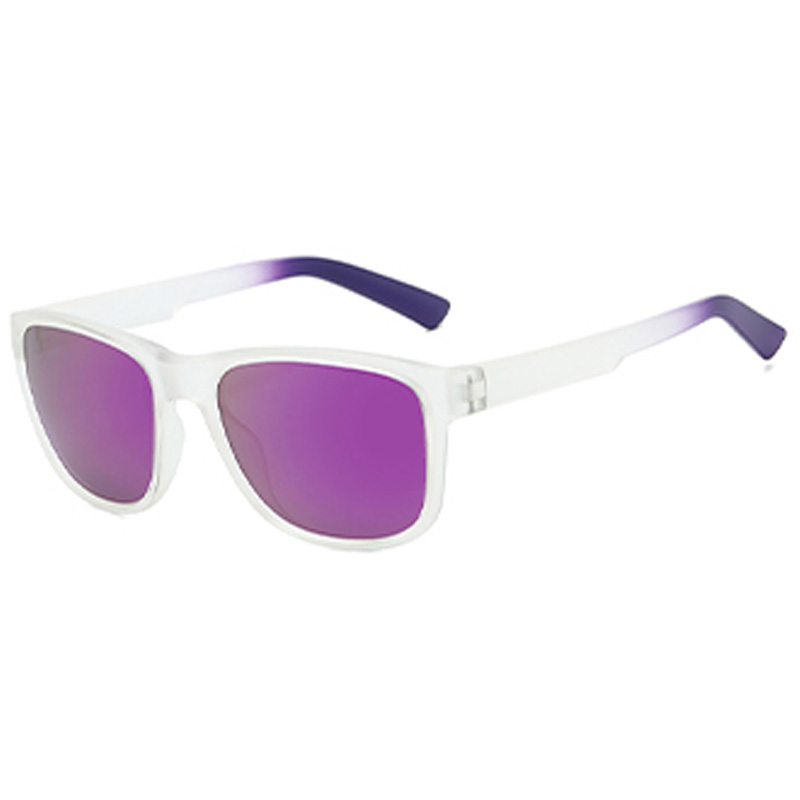
Choosing the right fishing sunglasses is more than a style decision. For anglers, sunglasses are an essential piece of gear that can improve visibility, reduce eye strain, enhance safety, and help you spot fish, structure, and changing water conditions more effectively. Whether you are fishing from a boat, kayak, pier, riverbank, or offshore platform, the best fishing sunglasses should match the light, weather, water type, and fishing environment.
This guide explains how to choose fishing sunglasses for different conditions, what lens colors and frame features matter most, and which specifications you should compare before buying. The content below is designed for SEO use on blog posts, category pages, landing pages, and industry articles. It focuses only on general industry information, definitions, benefits, and technical selection criteria—without recommending any specific brand or company.
Fishing sunglasses are specialized eyewear designed to reduce glare, block harmful ultraviolet rays, improve contrast, and support visual clarity in bright outdoor water environments. Unlike standard Fashion Sunglasses, fishing sunglasses often use polarized lenses, wraparound frames, and performance-oriented materials that are better suited for long hours near reflective water surfaces.
Because water reflects sunlight, anglers are exposed to more glare than many other outdoor users. This glare can make it harder to see below the surface, track lures, identify fish movement, and react quickly to changing conditions. High-quality fishing sunglasses are built to address these issues while supporting comfort and eye protection.
Good fishing sunglasses offer several important advantages:
For many anglers, sunglasses are not just an accessory. They are a functional tool that directly affects fishing performance, comfort, and safety.
When comparing fishing sunglasses, pay close attention to the following features. These specifications have the biggest impact on how well the sunglasses perform in different environments.
Polarized lenses are one of the most important features in fishing sunglasses. They reduce horizontal glare caused by sunlight reflecting off water, wet surfaces, and shiny objects. This makes the water easier to read and reduces eye strain.
Polarization is especially useful for:
However, polarization is not always the only factor. Lens tint, visible light transmission, frame coverage, and ambient conditions also matter.
Always look for fishing sunglasses that provide 100% UVA and UVB protection or UV400-level protection. Even on cloudy days, UV rays can still reach the eyes. Prolonged exposure may contribute to eye discomfort and long-term damage.
UV protection should be considered non-negotiable in any pair of outdoor fishing sunglasses.
Lens tint affects how much light passes through the lenses and how colors appear. Different lens colors are better for different light conditions. The right tint can improve contrast, reduce brightness, and help you adapt to your fishing environment.
Visible Light Transmission (VLT) refers to the percentage of visible light that passes through a lens. Lower VLT lenses are darker and better for bright conditions, while higher VLT lenses are lighter and better for low-light conditions.
VLT is a critical spec for anglers who fish in changing weather or across dawn-to-dusk time periods.
Fishing sunglasses should fit securely and block light from entering around the edges. Wraparound frames or larger lens designs help reduce side glare, wind intrusion, and spray exposure.
Look for:
Common lens materials include polycarbonate, glass, and proprietary composite materials. Each has strengths and trade-offs:
For most anglers, impact resistance and comfort are as important as optical clarity.
Fishing sunglasses should have a durable lens coating or hard coat that improves scratch resistance. Fishing environments often involve rod handling, tackle boxes, boat surfaces, salt spray, and frequent lens cleaning.
Hydrophobic coatings help water bead and slide off the lens, while oleophobic coatings help resist fingerprints, oils, and smudges. These features make lenses easier to maintain during wet or humid fishing sessions.
The best fishing sunglasses depend on the type of water, weather, and time of day. Below is a practical breakdown of how to choose the right fishing sunglasses for different conditions.
When sunlight is intense and reflections are strong, you need fishing sunglasses that maximize glare control and reduce brightness. This is the most common scenario where Polarized Sunglasses provide major benefits.
Best features for bright sun:
Recommended lens tints:
These tints help manage brightness while preserving natural color perception and contrast.
On cloudy days, the light is softer but visibility can still be challenging due to flat contrast and dimmer conditions. In these situations, fishing sunglasses should provide enough brightness reduction without making the scene too dark.
Best features for cloudy weather:
Recommended lens tints:
These tints can help brighten the scene and make structure more visible when the sky is dull.
Fishing at sunrise, sunset, or during twilight often requires lighter lenses. The goal is to reduce glare without blocking too much available light. In low-light conditions, many anglers prefer fishing sunglasses with a lighter tint and high contrast enhancement.
Best features for low-light fishing:
Recommended lens tints:
These lenses improve visibility in dim environments while still offering eye protection from wind and glare.
Open water and offshore fishing often involve intense glare, reflection from all angles, and variable weather. Water movement can make lighting conditions more dynamic, so anglers should prioritize coverage, durability, and strong glare reduction.
Best features for offshore use:
Recommended lens tints:
Offshore anglers often benefit from darker lenses with strong glare control and robust construction.
Inshore fishing typically takes place in bays, flats, mangroves, estuaries, and shallow coastal waters. Visibility is often excellent when the sun is right, but surface glare can be severe. Spotting fish in shallow water usually requires high contrast and reliable polarization.
Best features for inshore fishing:
Recommended lens tints:
Because inshore water often changes from shallow sand to darker marsh areas, a balanced tint is usually a smart choice.
Freshwater environments vary widely. Lakes, reservoirs, rivers, ponds, and streams each create different lighting and reflection patterns. A versatile pair of fishing sunglasses should work across both bright and shaded conditions.
Best features for freshwater fishing:
Recommended lens tints:
For river fishing, lighter or medium tints may work best in tree cover, while bright lake conditions may call for darker lenses.
Rivers and streams often have a combination of moving water, shade, and variable surface glare. Anglers need sunglasses that improve visibility without overly darkening the scene, especially in wooded areas or narrow channels.
Best features for river fishing:
Recommended lens tints:
When fishing under tree cover or in shaded valleys, a lighter lens with good contrast may perform better than a very dark lens.
Saltwater fishing demands more from sunglasses because salt spray, humidity, and UV exposure are often intense. In these conditions, durability and resistance to corrosion matter just as much as lens performance.
Best features for saltwater use:
Recommended lens tints:
Saltwater anglers should also prioritize easy maintenance and rinse-friendly materials.
Lens color is one of the most important factors when choosing fishing sunglasses. Each tint changes how light is filtered and how contrast is perceived.
| Lens Color | Best For | Advantages | Limitations |
|---|---|---|---|
| Gray | Bright sunny conditions, offshore fishing, open water | True color perception, strong brightness reduction, balanced performance | Less contrast enhancement in low light |
| Brown | General-purpose fishing, freshwater, changing conditions | Improves contrast, versatile, good all-around choice | May be slightly dark for very low-light scenes |
| Amber | Cloudy weather, early morning, rivers, streams | Enhances contrast, brightens dim scenes, helps track movement | Not ideal for intense midday sun |
| Copper | Inshore fishing, mixed light, shallow water | Strong contrast, versatile, good color balance | Can feel too warm for some users |
| Rose | Low-light fishing, overcast conditions, shaded water | Improves depth and contrast, supports visibility in muted light | Less effective in bright glare |
| Yellow | Very low light, fog, dawn, dusk | Brightens the view, useful in dark conditions | Limited use in sunlight and glare |
| Blue Mirror | Intense sun, offshore glare, open water | Reduces brightness, adds exterior reflection control | Mirror coating is mainly for light control; base lens quality still matters most |
Visible Light Transmission is often overlooked, but it is one of the most useful technical specs for choosing fishing sunglasses. Use the table below as a general guide.
| VLT Range | Lighting Condition | Typical Use |
|---|---|---|
| 0%–20% | Very bright sunlight | Offshore, open water, high-glare environments |
| 20%–40% | Bright to moderately bright light | General fishing, inshore, freshwater lakes |
| 40%–60% | Mixed light and overcast conditions | Cloudy weather, river fishing, shaded areas |
| 60%+ | Low light and twilight | Early morning, late evening, foggy conditions |
The right VLT depends on where and when you fish most often. Many anglers benefit from owning more than one pair of fishing sunglasses for different light conditions.
Frames affect comfort, weight, durability, and long-term wear. Common frame materials include nylon, TR90-like flexible polymers, injected plastics, and metal alloy components in some designs.
| Frame Material | Benefits | Best Use |
|---|---|---|
| Nylon | Lightweight, flexible, comfortable | General fishing, long wear sessions |
| TR90-style polymer | Flexible, durable, heat-resistant, lightweight | Active anglers, boat fishing, travel use |
| Injected plastic | Affordable, lightweight, available in many styles | Casual and recreational fishing |
| Metal alloy | Strong structure, premium feel | Specialty use, style-focused designs |
For most fishing environments, lightweight and flexible frames are preferred because they stay comfortable during long hours and handle movement better on boats or kayaks.
Your fishing style affects which sunglasses are best.
Knowing how you fish helps narrow down the best lens tint, VLT range, and frame style.
Comfort is important because fishing sessions can last for hours. A pair of fishing sunglasses may look ideal on paper, but if they pinch, slip, or feel too heavy, they will not perform well in real-world use.
Look for these comfort features:
Fishing sunglasses should be able to handle real outdoor use. Durability matters because sunglasses are frequently exposed to water, salt, heat, impact, and repeated cleaning.
Durability factors include:
If you fish frequently, investing in durability can extend the life of your sunglasses and improve long-term value.
Many anglers choose sunglasses based on looks alone. That can lead to poor performance in the field. Avoid these common mistakes:
A well-chosen pair of fishing sunglasses should match your environment, protect your eyes, and stay comfortable during long sessions.
Use this quick checklist when comparing fishing sunglasses:
Polarized sunglasses are usually the best choice for fishing because they reduce reflected glare from water. However, the best pair still depends on your lighting conditions, fishing location, and lens tint preference.
There is no single best color for every situation. Gray is excellent for bright sun, brown works well as an all-around option, and amber or copper are strong choices for contrast in mixed or low light.
Regular sunglasses may provide UV protection, but they often lack the polarization, contrast, fit, and performance features needed for serious fishing conditions.
The best VLT depends on your environment. Lower VLT is better for strong sunlight, while higher VLT works better for dawn, dusk, and cloudy conditions.
Wraparound frames are highly recommended because they block side glare, improve coverage, and help keep wind and spray away from the eyes.
The best fishing sunglasses are the ones that match your fishing environment, lighting, and comfort needs. For bright sun and open water, choose dark polarized lenses with low VLT and full coverage. For cloudy or low-light fishing, choose lighter contrast-enhancing tints such as amber, copper, or rose. For freshwater, inshore, offshore, river, and saltwater conditions, focus on the balance of glare reduction, contrast, fit, and durability.
When comparing fishing sunglasses, prioritize these core features: polarization, UV protection, lens tint, VLT, frame fit, impact resistance, and coating quality. A good pair of fishing sunglasses should help you see better, fish longer, and protect your eyes in all types of outdoor conditions.
By understanding how to choose fishing sunglasses for different conditions, anglers can make smarter gear decisions and improve both comfort and performance on the water.
This website uses cookies to ensure you get the best experience on our website.



 Phone
Comment
(0)